

How Global Events Can Affect Your Cup of Coffee
Posted by MHawn on 13th Aug 2021
Seems like everywhere we look these days, there are freak acts of Nature- flooding in China and Germany, wildfires on the west coast U.S., Italy, and Turkey, and just recently a rogue frost hit Brazil. Thankfully, the loss of human life during a frost is far less an issue than with floods and wildfires, but the economical impact can still be significant. These types of occurrences have only compounded issues for strained global supply chains experiencing logistical issues for over a year now. Without Brazil's normally gargantuan contribution to the global coffee supply, experts are bracing for the economic impact. Let's take a closer look at some of the factors fueling the coffee market's volatile fluctuations.
Direct Influences:
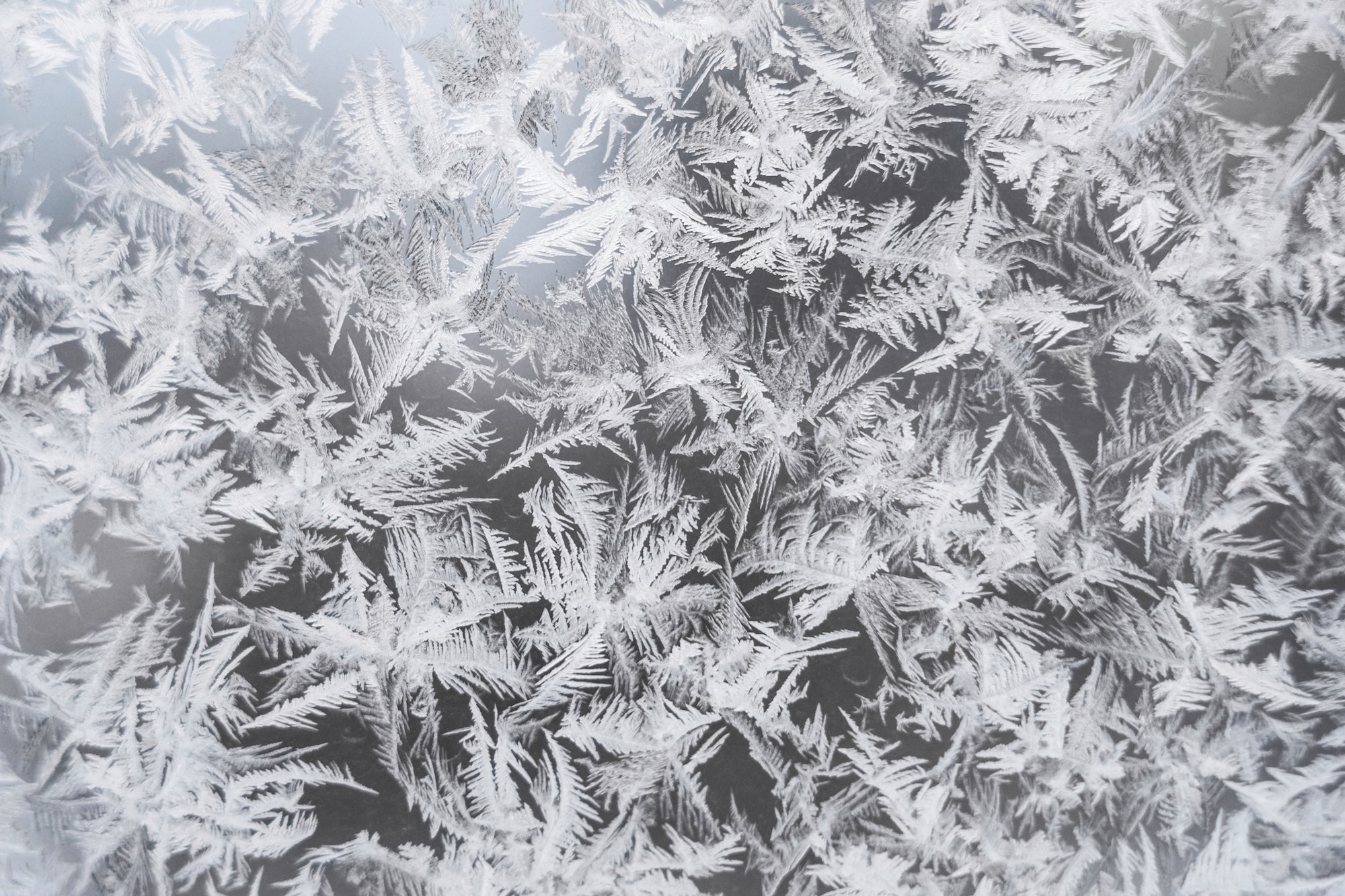
Arguably the biggest influence on any plant's survival, much less the notoriously finicky Arabic coffee tree, is the weather. Too much in either direction on the ol' thermostat can have absolutely devastating consequences to coffee crops. Let's say the coffee plants recover, it's still no guarantee that they'll be able to produce coffee cherries to the same capacity in future crops.
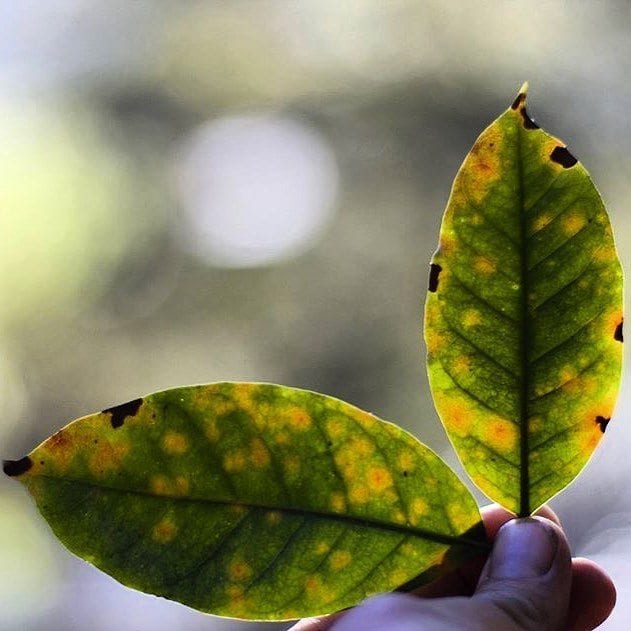
Additionally, coffee trees are subject to rust fungus. Forbes.com interviewed Marcia Biggs, a correspondent for PBS NewsHour, who had this to say about how destructive rust can be.
"And for coffee farmers, yet another problem, an epidemic of rust fungus, ... , an insidious plant disease they liken to cancer, which grows quickly in dry, warm climates, destroying entire coffee plantations."
Indirect Influences:
Even if the coffee trees are relatively unaffected by the drought or frost, they aren't the only ones in the ecosystem susceptible to drastic environmental conditions. For instance, if pollinators suffer radical changes in population, then the next year's crop yield can be significantly impacted. With less coffee cherry production, coffee farmers are unable to bring home as much income as they may have in recent years.
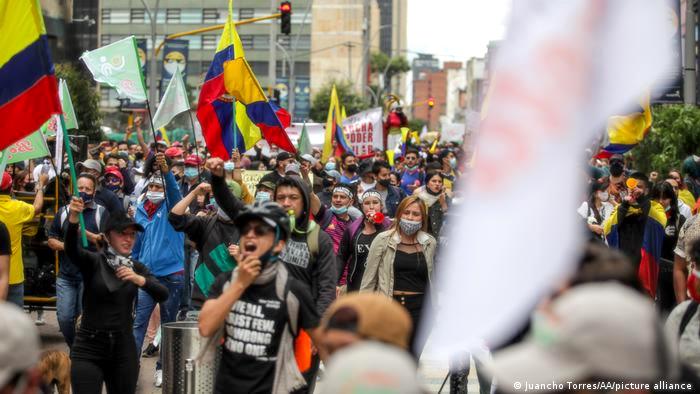
Another indirect influence could be political unrest in a coffee producing region. This is a big one. There is no shortage of politically "hot" zones in areas where coffee is a heavy export. Take the protest blockades in Colombia this May.
According to PerfectDailyGrind-
The protests and responses to them have caused road blockades across the country. The supply of food and other supplies to cities and rural regions has been interrupted. This means that existing supply chain issues caused by the pandemic have been exacerbated.
The unrest in Yemen is another example. Exporting Yemeni coffee is incredibly difficult these days. We released an article a while back on some of the obstacles Yemeni coffee exporters face. You can read more about that here.
Then of course, there's the undeniable impact COVID-19 has had on global manufacturing and shipping. Shipping delays alone have caused enough ripples for the effect to be universally felt. Even we at ACR have experienced significant delays in our green coffee deliveries.
So what happens when a few of these influences combine forces?
Taking a look at this year's events in Brazil might shed some light on that. As you may know, Brazil has suffered severe coffee crop losses due to a freak snap frost. And this, on the heels of an oppressive, record-breaking drought. Since Brazil is the world's leading coffee producer, we can be sure that financial losses are up in the gazillions. An already diminished supply has effectively been double-whammied.
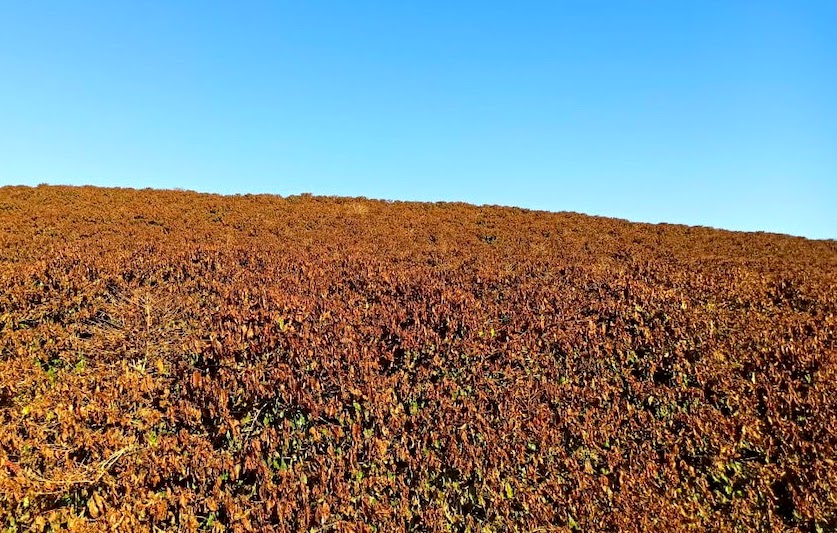
PerfectDailyGrind had this to say about the losses:
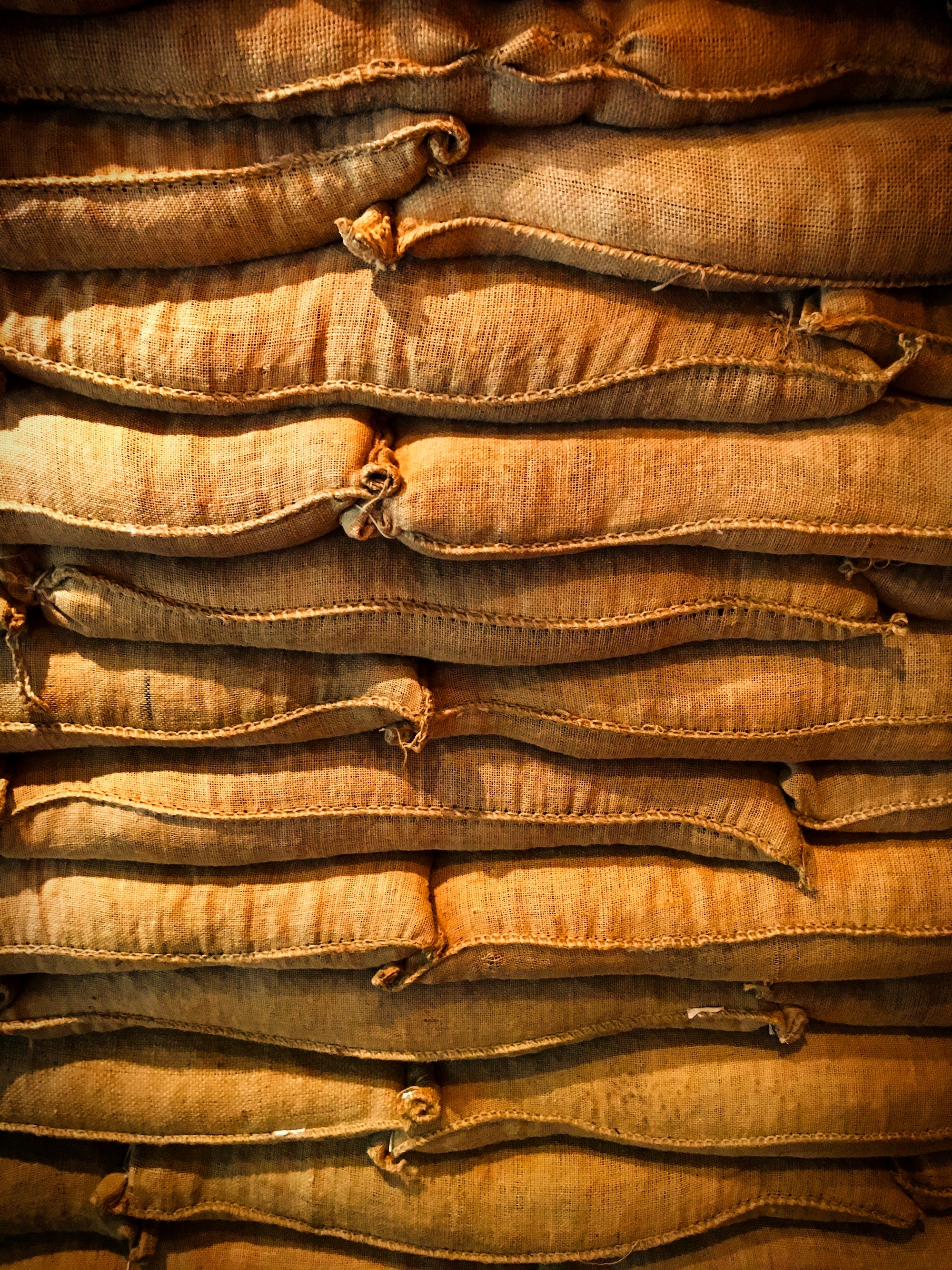
It’s difficult to assess the damage at the moment. At present, while there is definitely an understanding that there has been a significant frost, there will be no way to know for sure for at least a few weeks. At present, “reasonable” estimates claim that anywhere from 2.5 to 5.5 million bags have been lost.
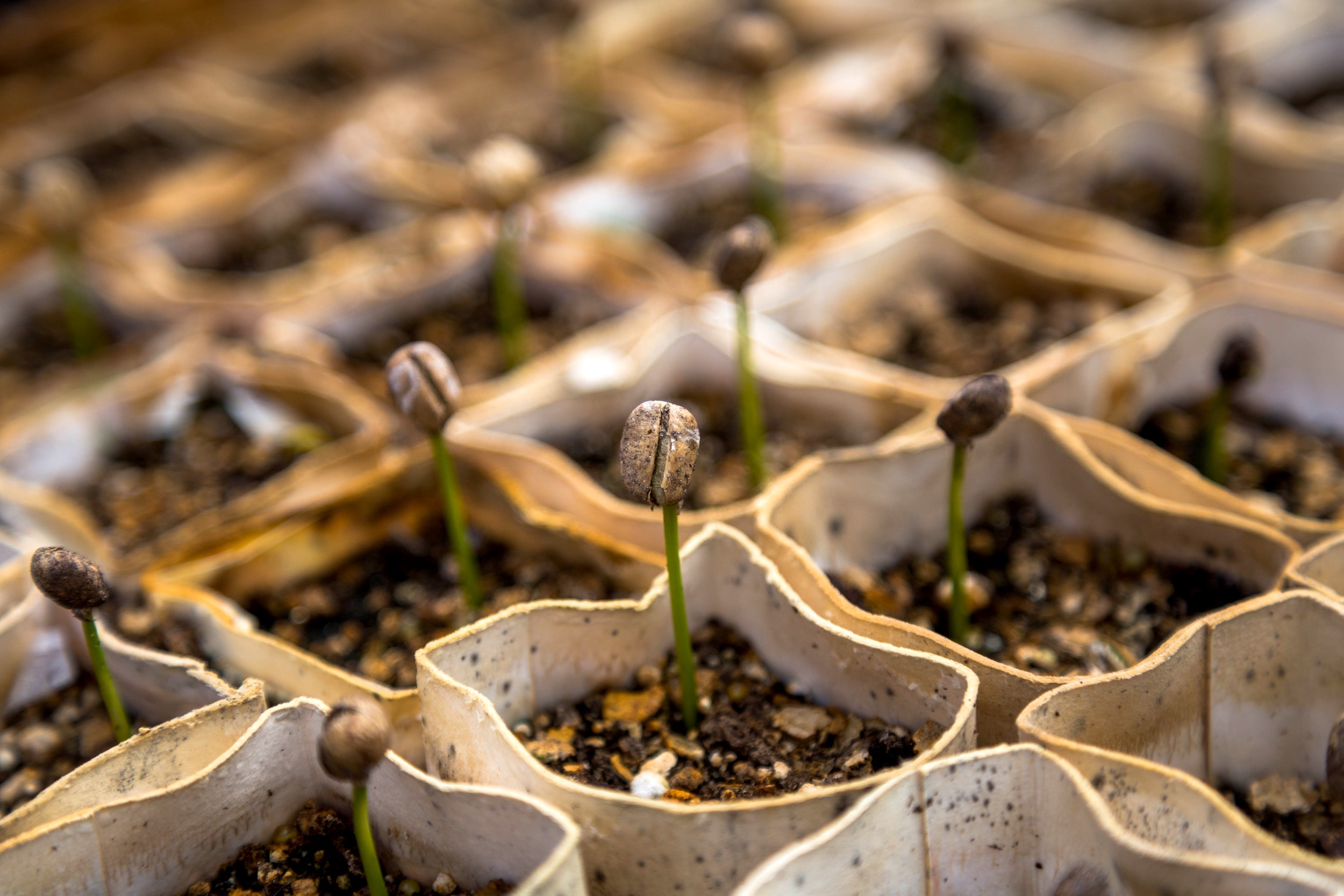
What makes this compounded issue even worse is that coffee production isn't only reduced now, but these picky Arabica trees will take several years to recover to their former selves and for the replacement trees to mature. Like it or not, this is a long-haul situation in which we coffee lovers find ourselves.
We've been able to keep on track with most of our green coffee orders arriving in time so far. However, we expect the holiday season to exacerbate already strained supply lines. If we do experience any supply issues that get out of control, we'll be sure to let you know on the affected product pages.
Not to worry. We're working hard for you.
Photo Credits: Raisa Milova, Royal Coffee, Juancho Torres, Ideadad, Edson Ricci, & Christian Joudrey